
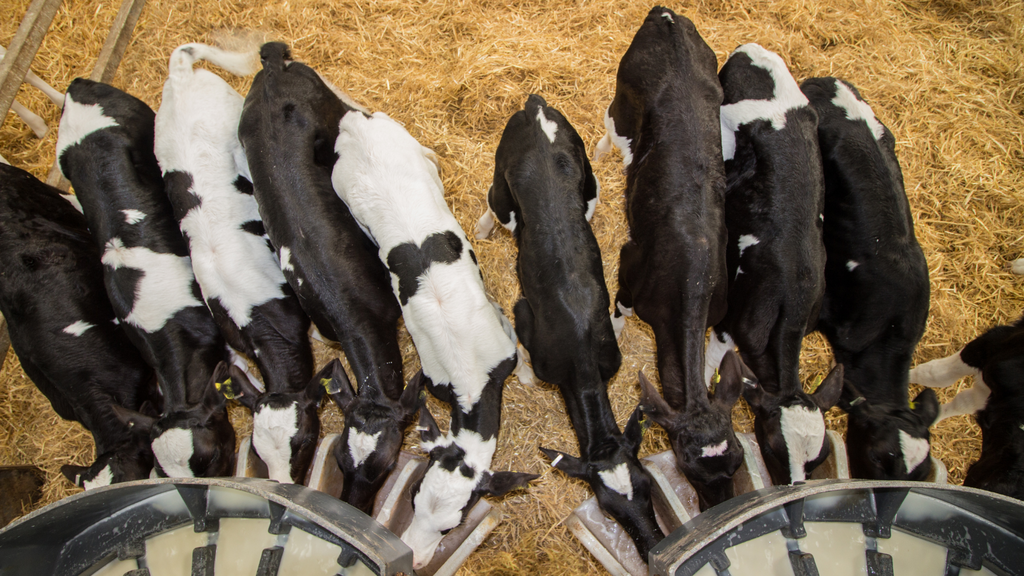
Calf rearing and its link to the transition period
You take a blood sample from a week-old calf and learn something about the dry cow ration from a few weeks earlier. That sounds odd, but it makes sense. What the cow took in during her final weeks before calving helps determine the condition the calf is born in and what the colostrum is worth. A newborn calf therefore starts its rearing period from a position it did not create itself. And that starting position shows up in the blood.
This makes calf rearing not a separate topic, but the other side of the same conversation about the transition period. Whatever falls short in the close-up period shows up not only in the cow that calves, but also in the calf that is born.
For the transition period, that translation into practice was made long ago. Veterinarians working with BoviLab know the blood levels, the references and the protocols. For calf rearing, that was missing. Until now.
What changes is mainly the direction of your investigation. When something goes wrong in calf rearing, you no longer have to keep looking at the calves; you can look back at the dry period with something more than a hunch in your hands. And the other way round, a conversation about the dry cow ration does not have to wait until there is milk fever or a fresh cow that fails to get going.
Thanks to blood analysis, you can follow a calf from colostrum, through the milk phase, to weaning. And that trail runs all the way back to its mother's ration.

Discover what BoviLab can do for you
Our smart solution gives you immediate insights into your cows’ health.
Discover the technology behind BoviLab or try it yourself with a free demo.
